


Prof. Moustapha Hamdi recently helped lead an important milestone in breast reconstruction surgery at UZ Brussel. On 4 February 2026, an interdisciplinary team led by Prof. Hamdi performed a bilateral breast reconstruction using autologous abdominal tissue, combining two surgical robotic systems in a single operation. According to UZ Brussel, this combination had not previously been applied within the same procedure.
This achievement is especially relevant for patients interested in advanced breast reconstruction in Brussels, Belgium, and Europe, particularly those exploring natural tissue-based reconstruction after mastectomy. It reflects the continued evolution of microsurgical breast reconstruction and the growing role of robotic precision in complex reconstructive procedures. At OgeePlast Clinic in Brussels, DIEP flap reconstruction is presented as a highly specialized option for patients seeking a natural and personalized reconstructive approach.
What Happened at UZ Brussel?
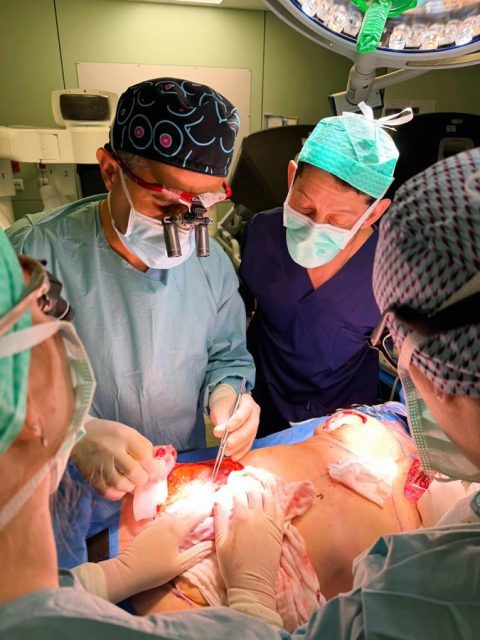
The procedure was performed on a patient after a double mastectomy due to breast cancer. The breasts were reconstructed using the patient’s own abdominal tissue rather than relying only on implants. UZ Brussel described this operation as the start of a structured clinical programme for this type of reconstruction.
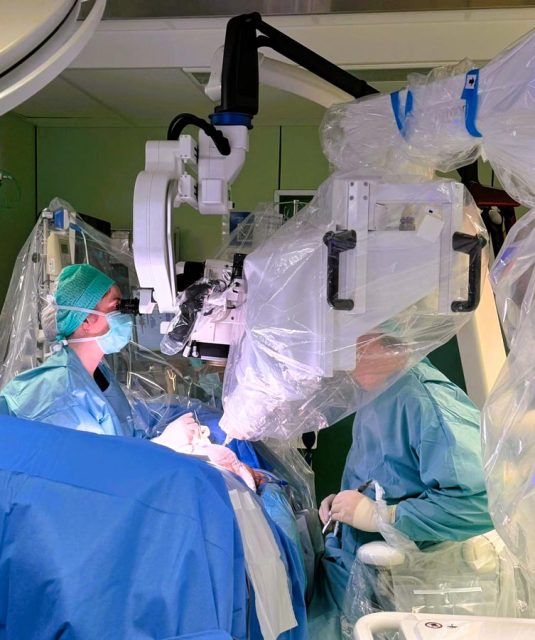
The operation combined two advanced technologies. The Da Vinci Xi robot was used to dissect the blood vessels from within the abdomen in a less invasive way, helping reduce the size of the abdominal incision. The reconstruction was then completed using the Symani microsurgical robot, which supports highly precise vascular connections during the microsurgical phase.
Why This Matters in DIEP Flap Breast Reconstruction
In DIEP flap breast reconstruction, skin and fat from the lower abdomen are used to rebuild the breast while preserving the abdominal muscles. This makes DIEP flap an important option for women looking for a more natural breast reconstruction with their own tissue. OgeePlast Clinic identifies DIEP flap reconstruction in Brussels as an advanced microsurgical option for selected patients after mastectomy.
According to UZ Brussel, the robotic approach may help reduce the impact of surgery on the abdominal wall and the complexity of the microsurgical stage. The expected patient benefits include less post-operative pain, a lower risk of abdominal wall weakness, and a faster recovery, which may be particularly meaningful in bilateral breast reconstruction. UZ Brussel also reported that the patient recovered well and was able to leave the hospital earlier than is typically the case.
Expertise, Innovation, and Patient-Centred Reconstruction
UZ Brussel also noted that this development builds on extensive prior experience in DIEP flap surgery. Prof. Hamdi stated that after more than 2,000 DIEP flap reconstructions using the conventional technique, the method is known to be reliable, while robotic surgery offers a way to further reduce the impact of surgery without compromising quality.
For patients researching breast reconstruction in Brussels, DIEP flap surgery in Belgium, or advanced microsurgical breast reconstruction in Europe, this milestone highlights how innovation can support more refined and less invasive reconstructive strategies. It also reinforces the importance of choosing a surgeon and centre with deep experience in microsurgery, autologous breast reconstruction, and individualized treatment planning.
Considering DIEP Flap Breast Reconstruction in Brussels?
At OgeePlast Clinic Brussels, patients can explore whether DIEP flap breast reconstruction may be suitable for their anatomy, reconstructive goals, and medical history. The consultation process focuses on clarity, safety, personalized planning, and selecting the reconstructive option that fits the patient best.