
- Breast
- DIEP Flap Breast Reconstruction in Brussels

Book a DIEP Flap
Consultation in Brussels
If you are exploring your breast reconstruction options after mastectomy and would like to understand whether DIEP flap reconstruction may be suitable for you, a personalized consultation is the right next step.
At OgeePlast Clinic in Brussels, the consultation process should focus on understanding your anatomy, your treatment background, your priorities, and the result you hope to achieve. The aim is not to push one method, but to guide you toward the reconstructive option that fits you best.
Whether you are at the beginning of your reconstruction journey or looking for a second opinion on your options, a focused consultation can help you move forward with more confidence, clarity, and peace of mind.
DIEP flap breast reconstruction is an advanced microsurgical technique used to rebuild the breast using skin and fat from the lower abdomen while preserving the abdominal muscles. This approach is often considered by patients who want a more natural, tissue-based breast reconstruction after mastectomy.
At OgeePlast Clinic in Brussels, breast reconstruction is approached with great attention to anatomy, oncological history, long-term symmetry, and the patient’s personal goals. The objective is not only to recreate breast volume, but to restore harmony, softness, balance, and confidence in a way that feels as natural as possible for each individual patient.
For many women, DIEP flap reconstruction can be an appealing option because it uses the patient’s own tissue rather than relying only on implants. It may provide a natural feel, a lasting result, and a reconstruction that evolves more organically with the body over time.
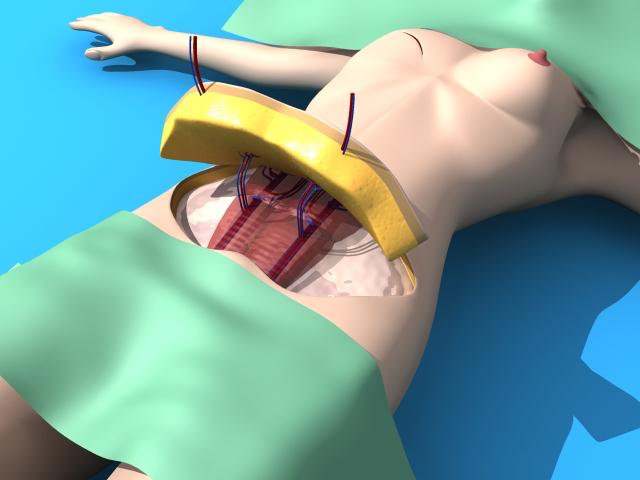
What Is a DIEP Flap?
DIEP stands for Deep Inferior Epigastric Perforator. In this procedure, skin and fat are taken from the lower abdomen and transferred to the chest to reconstruct the breast. One of the key advantages of the DIEP flap technique is that the abdominal muscles are preserved, unlike older reconstructive methods that required muscle sacrifice.
In practical terms, this means the lower abdominal tissue can be used to recreate a soft and natural breast shape while respecting the deeper structures of the abdominal wall as much as possible. For selected patients, this can offer a meaningful balance between aesthetic outcome, durability, and body preservation.
The procedure belongs to the field of microsurgery. The transferred tissue must be carefully connected to blood vessels in the chest under magnification to ensure healthy blood flow and support healing. Because of this, DIEP flap reconstruction is a highly specialized operation that requires both reconstructive expertise and microsurgical experience.
Why Patients Consider DIEP Flap Breast Reconstruction
There is no single reconstruction method that suits every patient. The best option depends on body shape, available tissue, prior treatments, skin quality, medical background, and personal preference. However, many patients are particularly interested in DIEP flap reconstruction because it offers several important advantages.
First, it uses the patient’s own tissue. This often creates a breast that feels softer and more natural than an implant-only reconstruction. Second, because the tissue is living tissue from the body, the result may age and evolve in a way that feels more harmonious over the long term. Third, some patients appreciate the abdominal contouring effect that comes from using lower abdominal skin and fat as the donor tissue.
Another important reason is long-term reconstruction strategy. Some patients prefer to avoid implants entirely. Others may have been advised to consider an autologous solution because of previous radiation, tissue damage, or personal preferences regarding foreign materials.
Who May Be a Candidate for DIEP Flap Breast Reconstruction?
A patient may be considered for DIEP flap reconstruction if she is planning breast reconstruction after mastectomy or seeking delayed reconstruction after previous breast cancer treatment. Good candidates often have enough lower abdominal tissue to recreate the desired breast volume and are medically suitable for a longer microsurgical procedure.
Candidacy is not determined by one factor alone. It depends on a broader assessment that may include body shape and abdominal tissue availability, previous abdominal scars or operations, smoking status, general health and circulation, previous or planned radiotherapy, unilateral or bilateral reconstruction goals, and personal preference for autologous versus implant-based reconstruction.
The most important point is that candidacy should never be reduced to a simple yes-or-no checklist. It is a surgical planning discussion. The goal is to identify the technique that offers the safest path and the most balanced long-term result for the individual patient.
When DIEP Flap May Be Especially Valuable
DIEP flap reconstruction may be particularly attractive in cases where a patient wants a natural reconstruction with her own tissue, where the chest tissues would benefit from vascularized soft tissue, or where long-term softness and tissue quality are important priorities.
It may also be considered in patients who have had or may need radiotherapy. Radiation can affect tissue quality, elasticity, and healing environment, and autologous tissue may be advantageous in some reconstructive settings. The right timing and strategy depend on the broader cancer treatment journey and should always be coordinated appropriately.
Some patients also seek DIEP flap reconstruction after previous implant reconstruction, especially when they want a different long-term solution or when the implant pathway no longer feels like the right fit for their body or expectations.
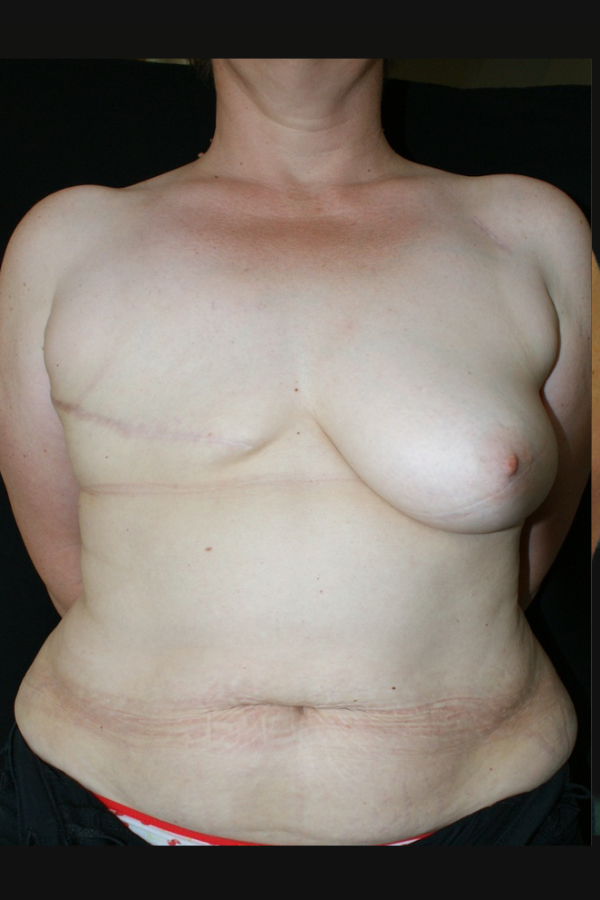
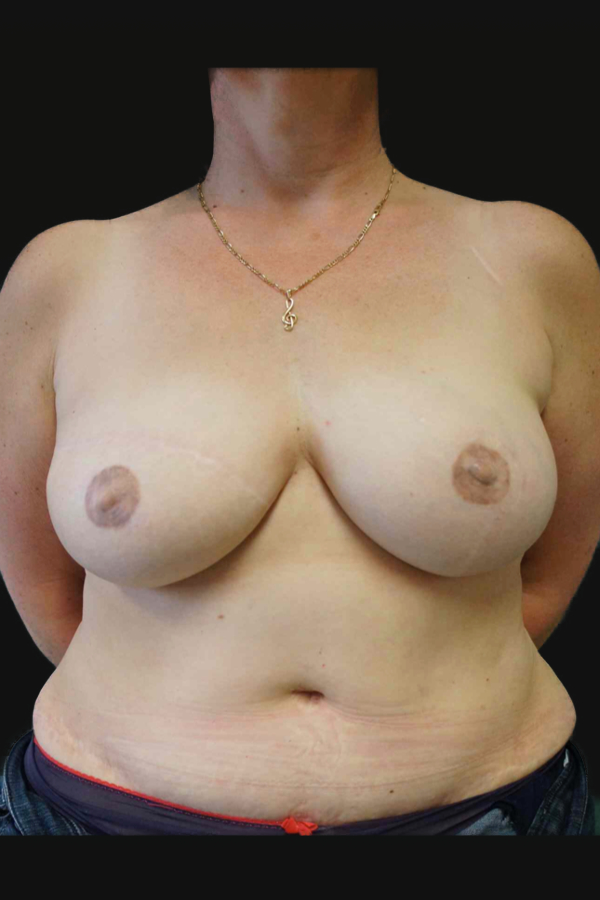
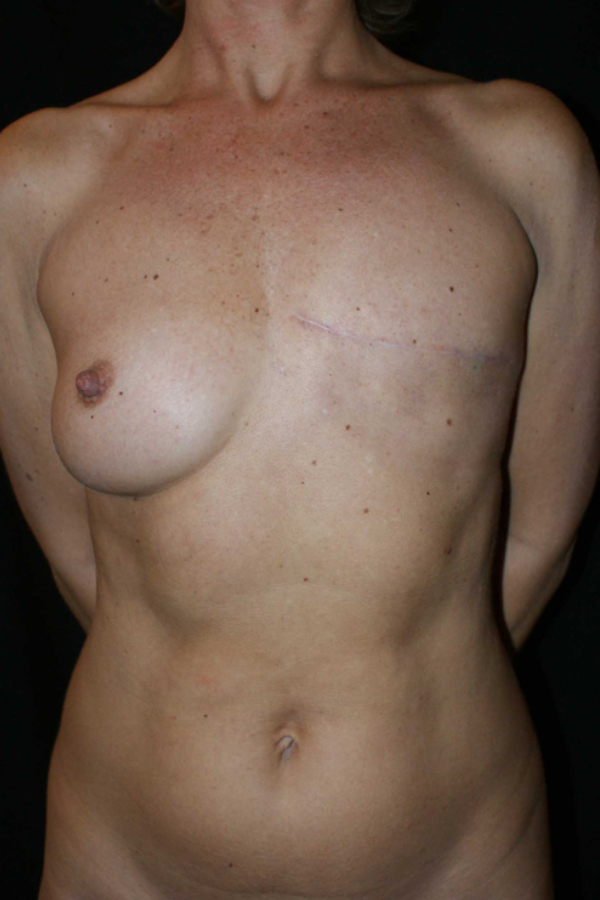
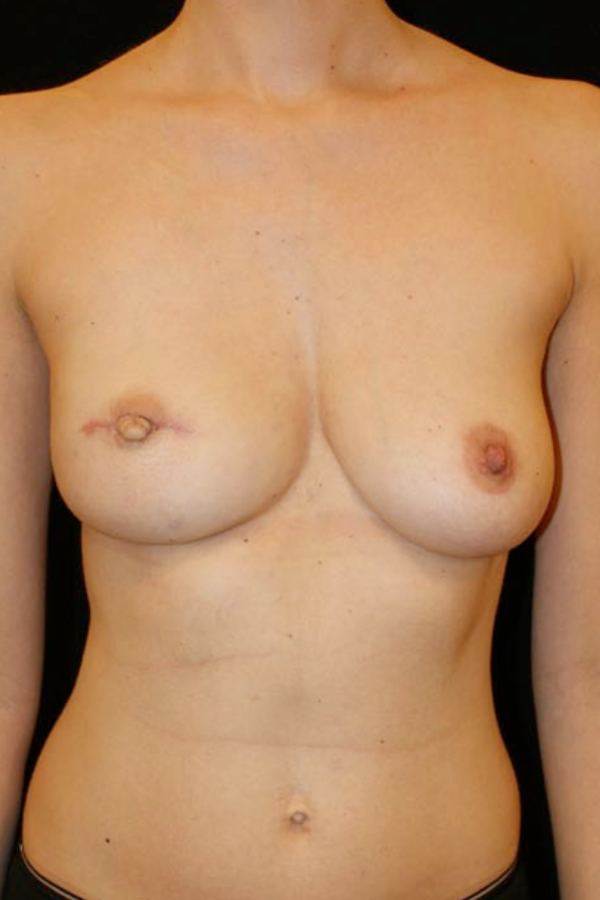
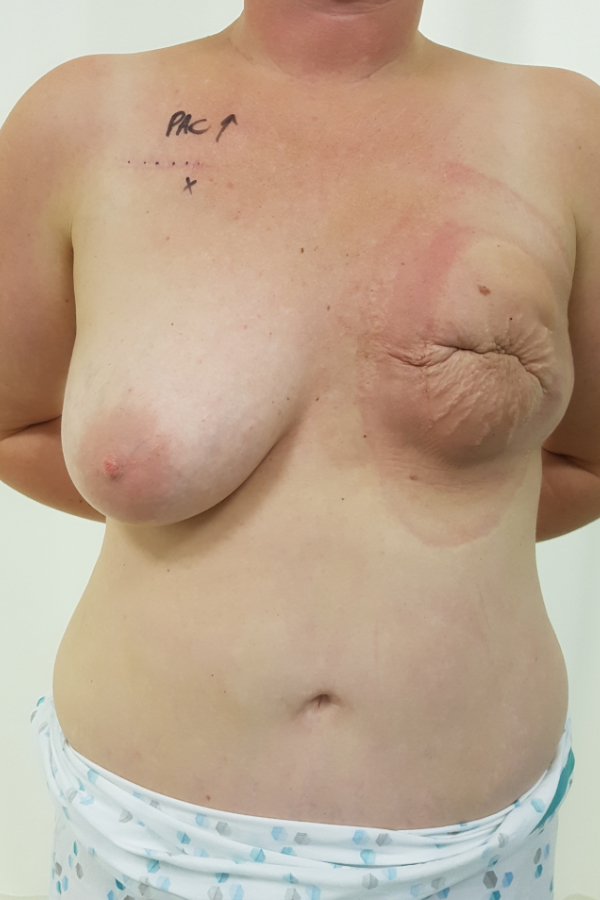
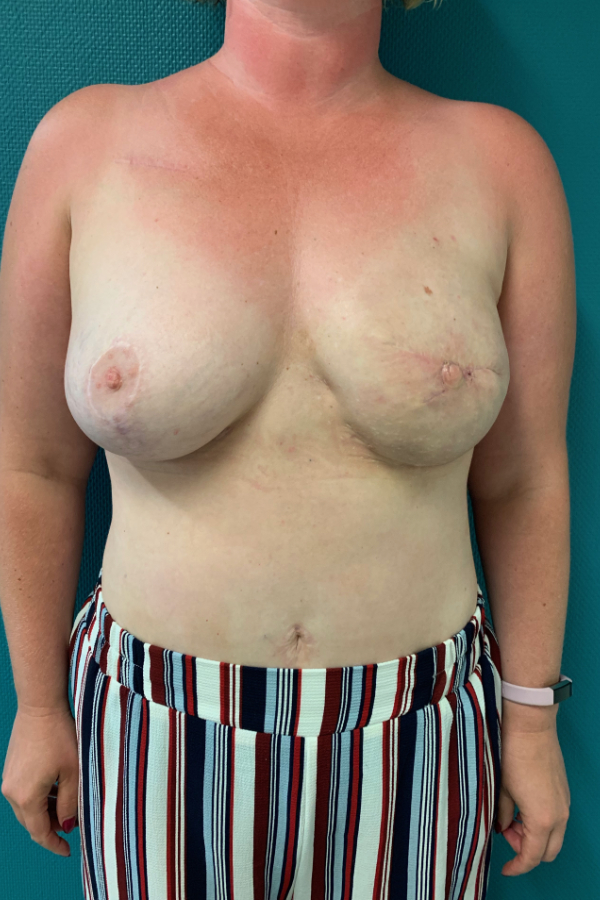
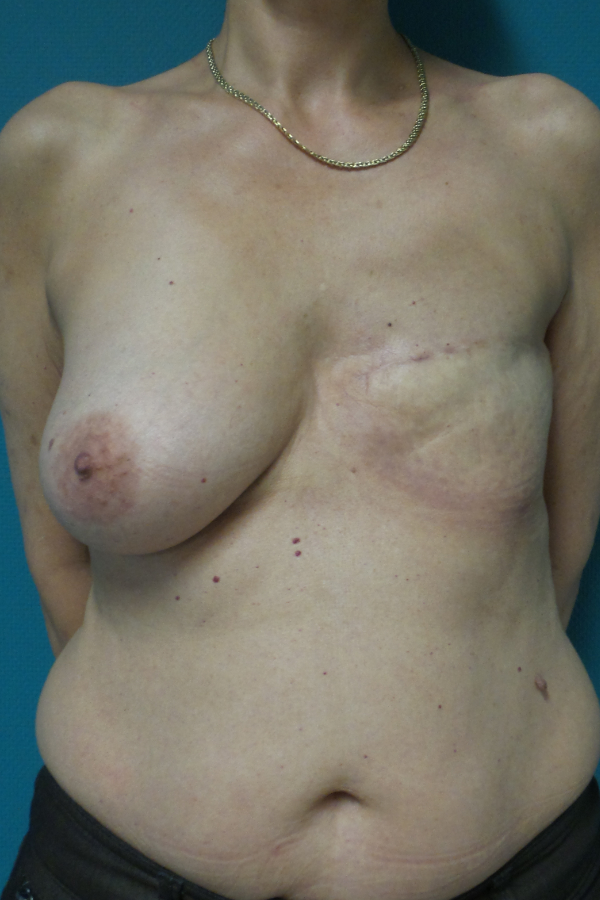
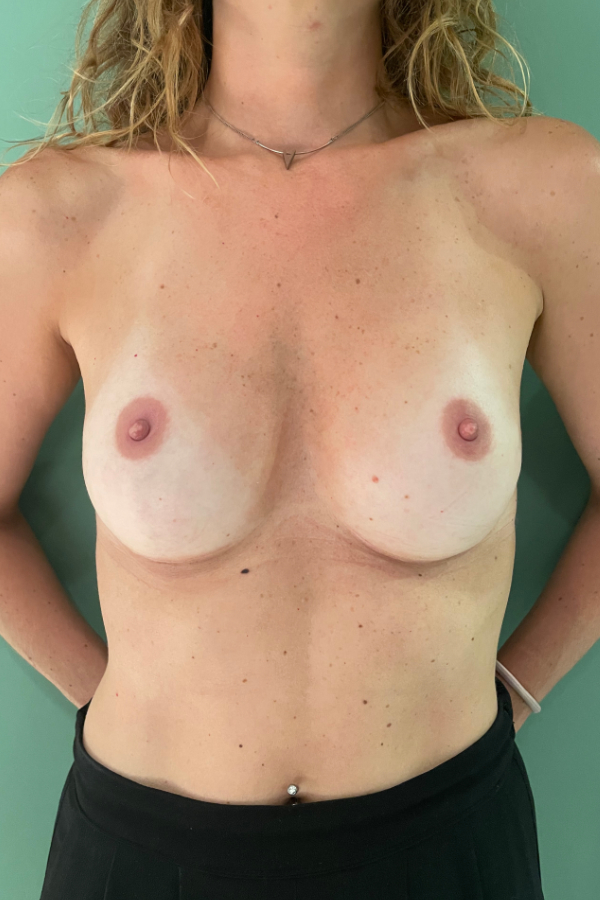
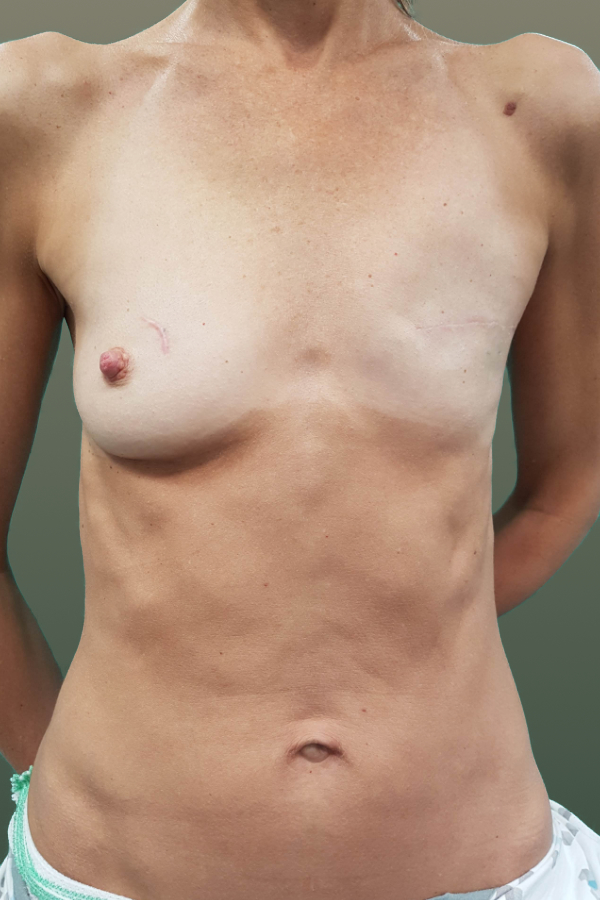
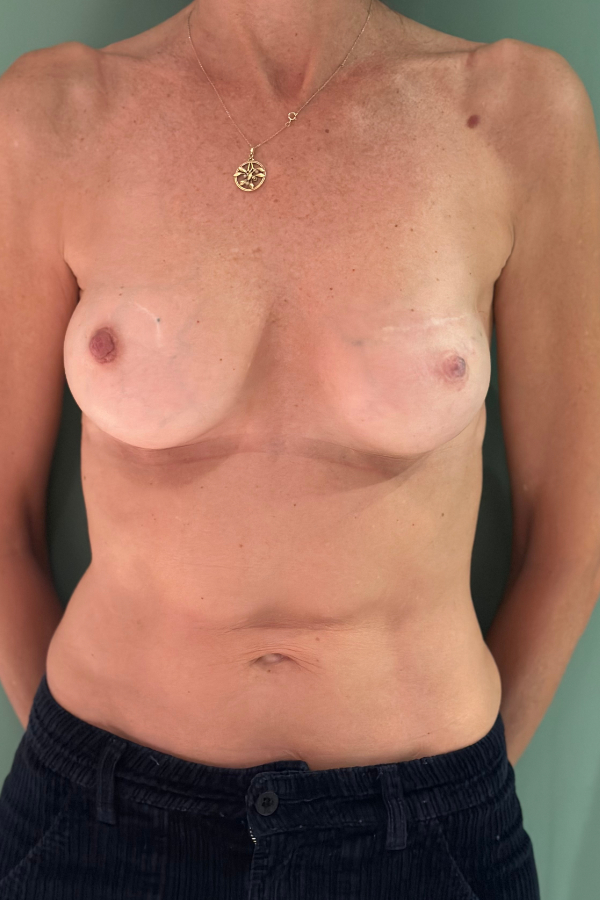
How the Surgery Is Performed
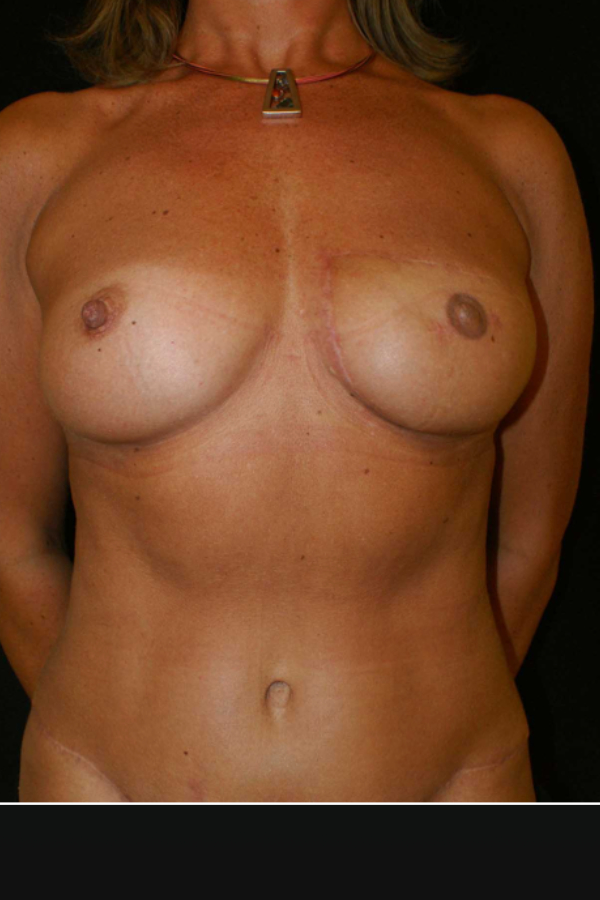
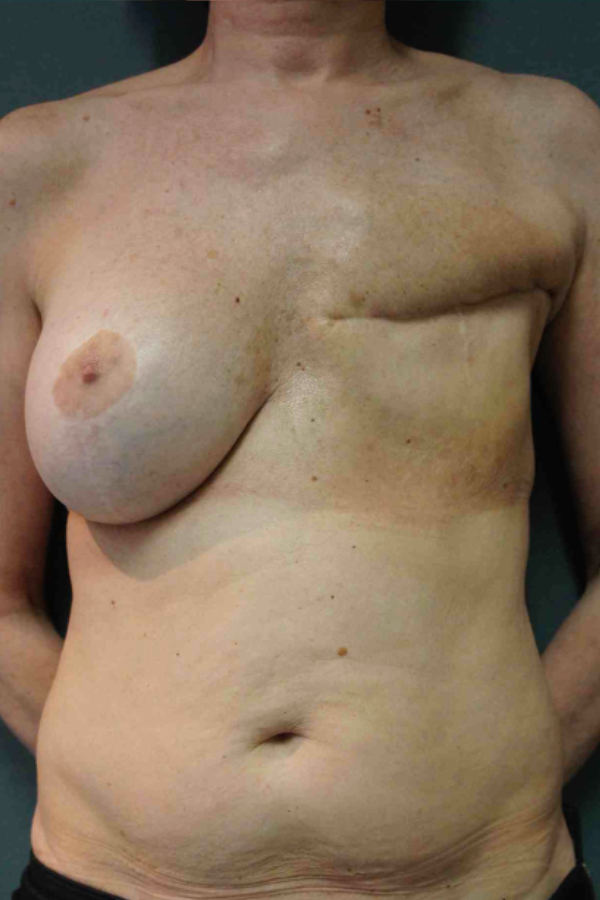
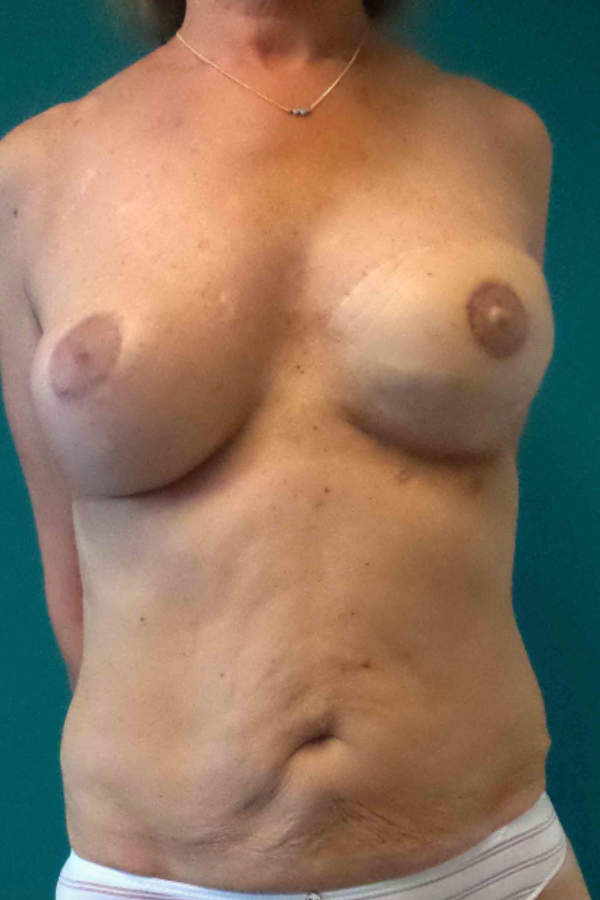
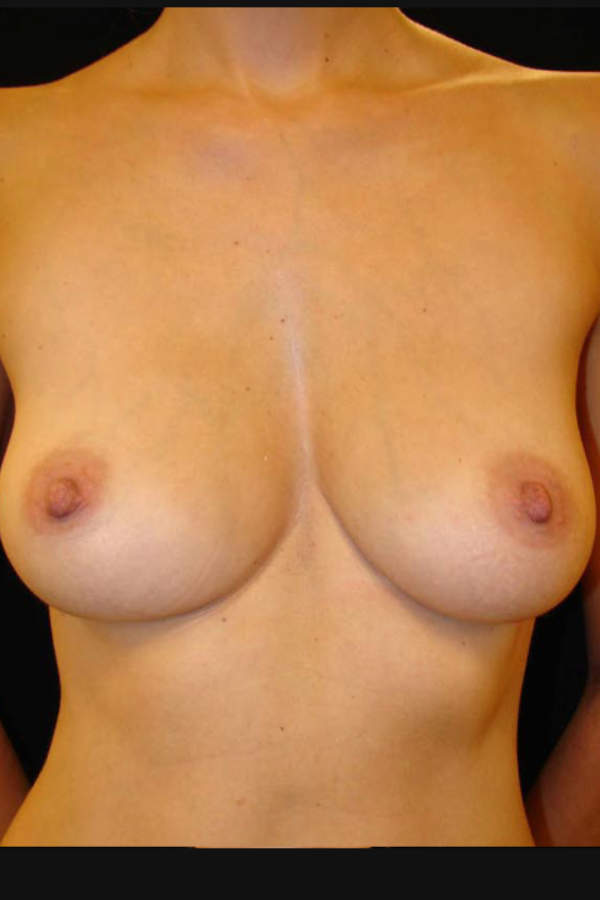
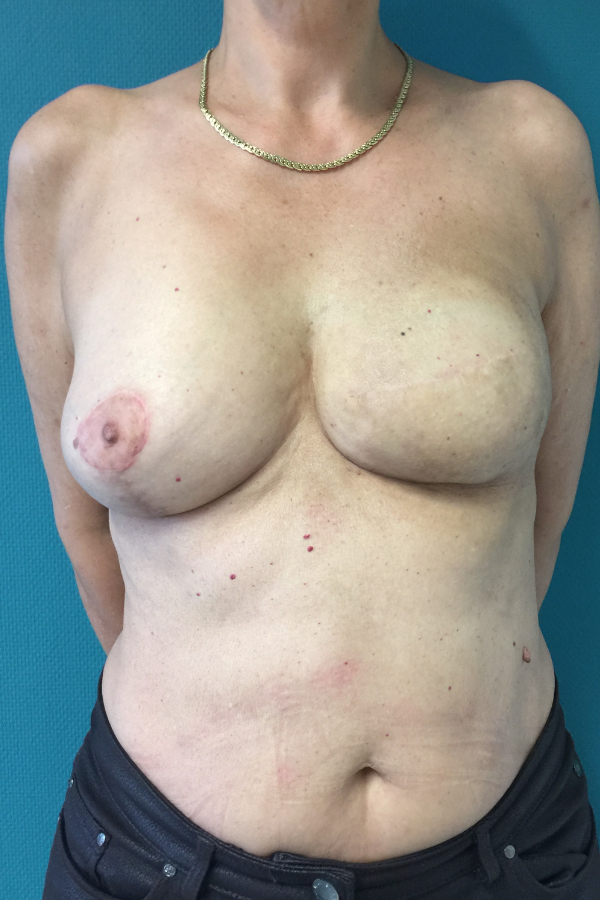
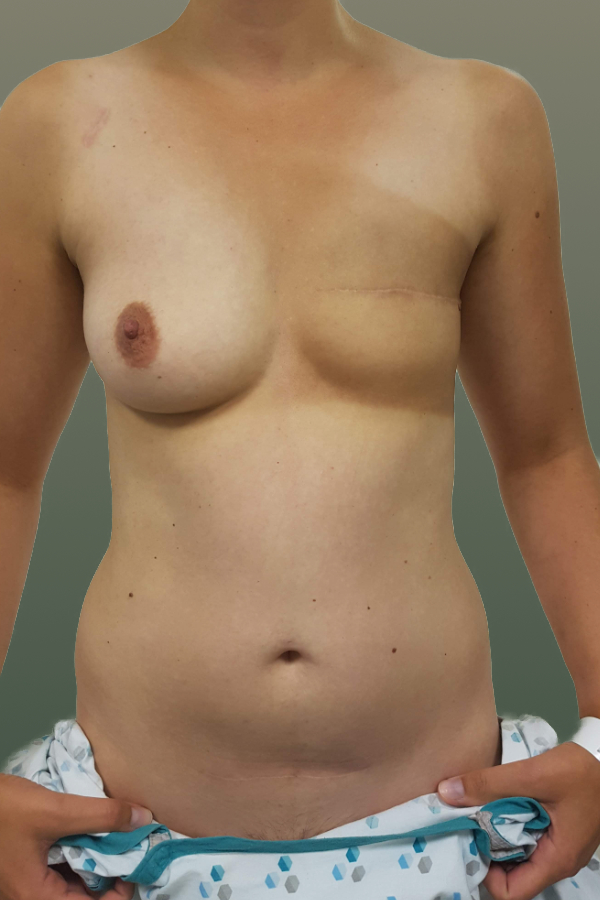
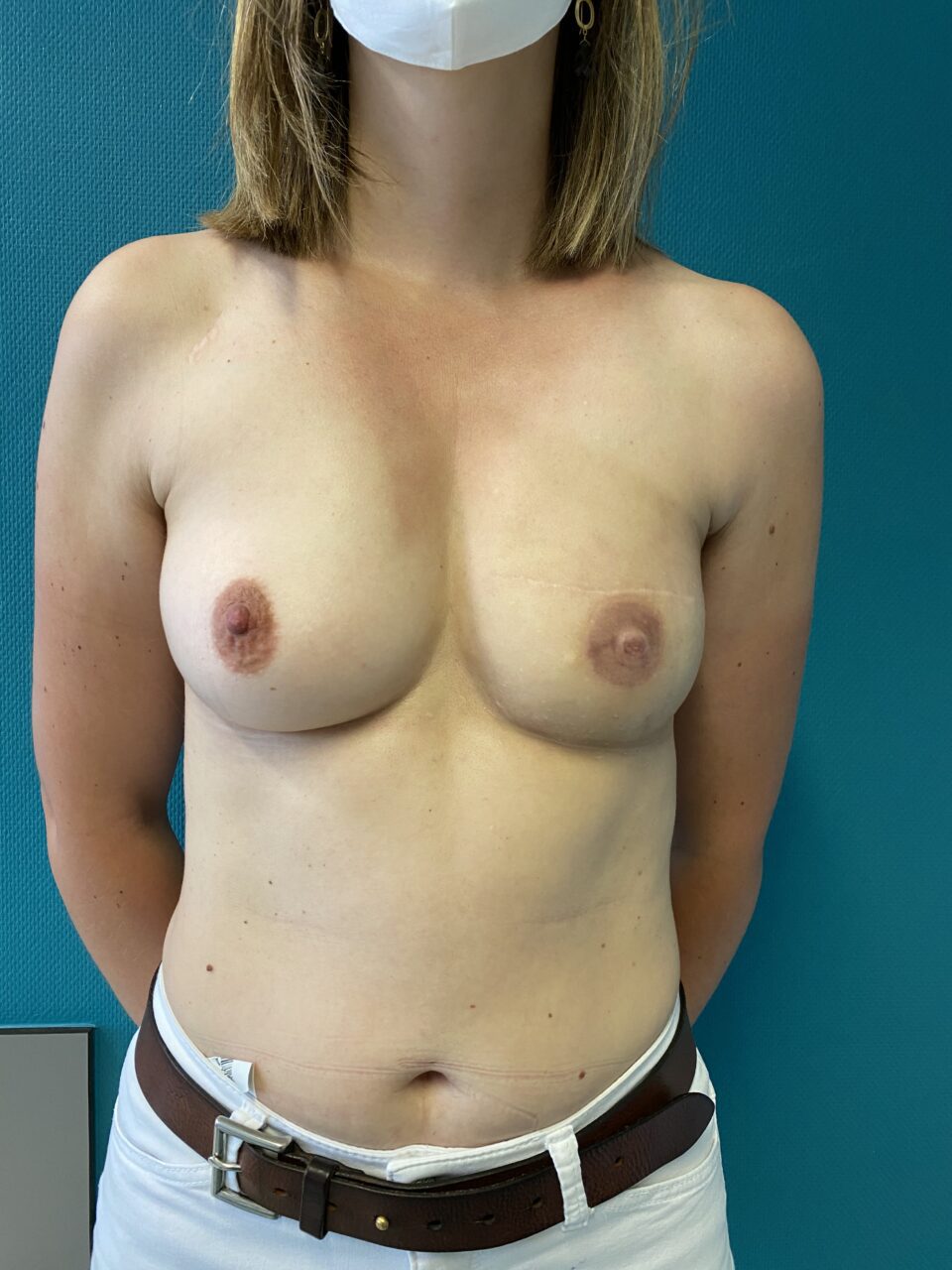
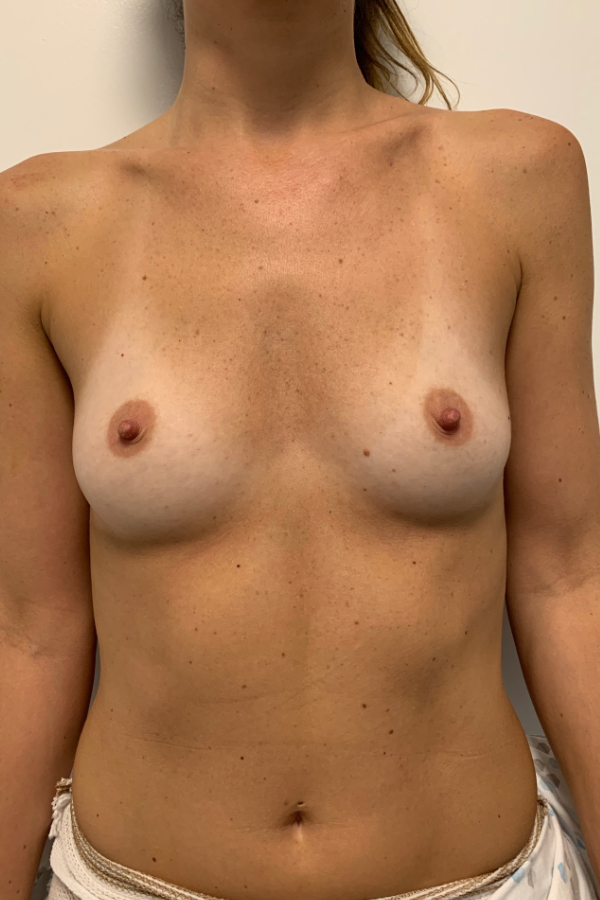
In DIEP flap breast reconstruction, tissue from the lower abdomen is carefully designed and harvested based on blood vessels called perforators. The tissue is then transferred to the breast area, where microsurgical connections are performed between the flap vessels and recipient vessels in the chest. The whole surgery takes 3-4 hours with 4 days hospital stay. The short anesthesia and hospital stay are related to the vast expertise of Prof. Hamdi and his team.
This is a technically demanding operation that combines aesthetic judgment, anatomical precision, and reconstructive planning. The breast must not only be rebuilt but shaped in a way that is proportionate to the patient’s frame, skin quality, and natural symmetry goals.
Depending on the case, reconstruction may be immediate or delayed. Immediate reconstruction is performed at the same time as mastectomy. Delayed reconstruction is performed later, after cancer treatment or after a patient has had time to consider her options.
Preserving the Abdominal Muscles
One of the defining characteristics of DIEP flap reconstruction is muscle preservation. This is an important reason why DIEP flap differs from older techniques that used abdominal tissue together with muscle.
For patients, this usually matters because abdominal muscle preservation is closely linked to function, recovery expectations, and long-term comfort. Although every abdominal donor site needs proper healing and careful postoperative care, preserving the muscles is one of the key reasons why the DIEP flap technique has become such a respected reconstructive option.
Recovery After DIEP Flap Surgery
Recovery after DIEP flap reconstruction takes time and should be approached with patience. This is not a minor procedure, and healing occurs in phases. Early recovery focuses on flap monitoring, wound healing, swelling control, comfort, and gradual mobilization. Over time, patients usually move toward improving posture, comfort, mobility, and return to daily routines. Return to normal activities can be achieved at 4-6 weeks after surgery.
In the first stage, rest and close follow-up are very important. Patients need time for both the breast and abdominal areas to recover. Swelling, tightness, fatigue, and temporary changes in movement are all part of the normal recovery experience for many reconstructive patients.
As healing progresses, the breast shape softens, scars continue to mature, and the final result becomes clearer over the following months. Recovery is never identical for every patient. It varies according to general health, the extent of surgery, whether one or both breasts are reconstructed, and whether the treatment is immediate or delayed.
Benefits of DIEP Flap Reconstruction
DIEP flap breast reconstruction is often appreciated for its combination of reconstructive, aesthetic, and long-term qualities. Potential benefits may include a more natural look and feel, use of the patient’s own tissue, preservation of the abdominal muscles, long-term soft tissue reconstruction rather than implant-only volume, and the possibility of improved harmony over time as the tissue ages with the body. Professor Hamdi has developed the concept of Abdominoplasty Flap Breast Reconstruction for two decades. In this technique, the abdominal wall integrity is respected with minimal fascia incision, abdominal recti muscle diastasis correction with a truly abdominoplasty closure of the donor site which has own signature (low scar, nice abdomen lines and aesthetic umbilicoplasty).
For many patients, one of the biggest benefits is psychological. There is often a strong sense of reassurance in rebuilding the breast with one’s own living tissue. While every patient experiences reconstruction differently, this can be an important part of the emotional recovery process.
Limitations and Considerations
DIEP flap reconstruction is an advanced procedure, but it is not automatically the right choice for everyone. It involves a longer and more complex surgery than many implant-based reconstructions, and it requires enough suitable donor tissue and appropriate blood vessel anatomy.
Patients with very limited abdominal tissue may not be ideal candidates for this technique. Previous abdominal surgery may also affect planning, although this does not always rule the procedure out. Smoking, certain vascular conditions, and other health factors can influence risk and recovery.
It is also important to understand that autologous reconstruction is still surgery. Even when the goal is naturalness and long-term softness, this is still a major reconstructive procedure that requires preparation, recovery, and careful long-term follow-up.
DIEP Flap vs Implant-Based Reconstruction
This is one of the most common questions patients ask. The answer depends on priorities. Implant-based reconstruction may involve shorter surgery, shorter initial recovery in some cases, and no abdominal donor site. For some women, it is a very reasonable and effective option.
DIEP flap reconstruction, on the other hand, uses the patient’s own tissue and may provide a softer, more natural-feeling result with a different long-term profile. Patients who prefer a more tissue-based reconstruction often feel more drawn to this option, especially when natural softness and body integration are high priorities.
Implants and DIEP flap reconstruction are not competitors in a simplistic sense. They are different tools. One may be more suitable than the other depending on the patient’s body, history, aesthetic goals, cancer treatment plan, and tolerance for recovery.
When Another Flap May Be More Suitable
Not every patient has enough abdominal tissue for a DIEP flap, and not every abdomen is the ideal donor site. In such cases, another perforator flap may provide a better reconstructive pathway. This is why the page should position DIEP as one of several highly specialized reconstructive options rather than the only premium solution.
A strong reconstructive practice is not defined by offering one famous technique. It is defined by offering the most suitable option for each patient.
Why Choose OgeePlast Clinic
in Brussels
Choosing where to have breast reconstruction is about more than location. It is about trust, expertise, communication, and long-term care.
For patients, that matters because breast reconstruction is not simply about performing a procedure. It is about experience in planning, microsurgery, tissue selection, symmetry, refinement, and long-term patient care. A reconstructive journey often includes multiple stages, careful timing, and a thoughtful understanding of what matters most to the patient. Prof. Hamdi started DIEP flap in 1996 and has performed more than 3000 microsurgical procedures for breast reconstruction with success rate of 99.7%.
Brussels is also an important location advantage for patients seeking expert-level consultation and surgical planning in Belgium.
The Importance of
a Personalized Consultation
No responsible DIEP flap page should suggest that every patient is automatically a candidate. A meaningful consultation is where the real decision begins.
During consultation, the focus should be on understanding the patient’s medical history, previous breast and abdominal surgeries, cancer treatment background, timing of reconstruction, body shape and donor tissue availability, expectations regarding size, shape, and feel, and openness to implants, flaps, or combined strategies.
The purpose of the consultation is clarity.
Frequently Asked Questions
A DIEP flap breast reconstruction is a microsurgical breast reconstruction technique that uses skin and fat from the lower abdomen to recreate the breast while preserving the abdominal muscles.
Yes. It uses your own lower abdominal skin and fat rather than relying only on an implant.
Yes. Muscle preservation is one of the defining features of the DIEP flap technique.
Not universally. DIEP flap and implants are different reconstruction options, and the best choice depends on anatomy, treatment history, goals, and preferences.
Many patients choose DIEP flap reconstruction because it can provide a soft, natural-feeling result using living tissue from the body.
Recovery varies from patient to patient. It is a major reconstructive procedure and healing happens progressively over weeks and months.
Yes. It may be considered either immediately at the time of mastectomy or later as a delayed reconstruction, depending on the case.
If DIEP flap is not the best match, another reconstructive option may be recommended, including other autologous flap techniques or implant-based reconstruction.