








Deep plane facelift in Brussels
A deep plane facelift works beneath the SMAS and releases the facial retaining ligaments, lifting the midface, jowls and jawline together for a natural, long-lasting result.

Deep plane facelift in Brussels
A deep plane facelift lifts the face beneath the SMAS, the muscular layer under the skin, instead of pulling on the skin alone. By releasing the ligaments that hold the cheek and jaw tissues down, the face is repositioned as one unit, for a natural result without a tight or operated look.
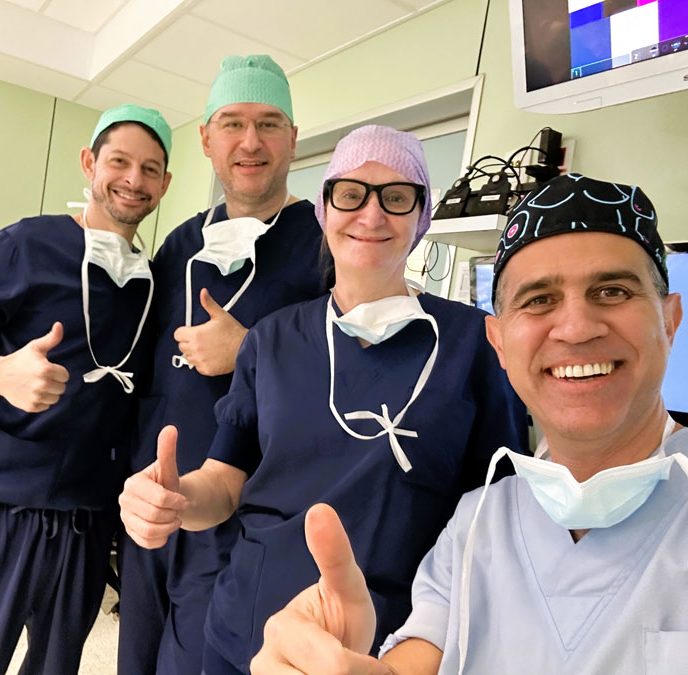
At OgeePlast Clinic in Brussels, Prof. Dr. Moustapha Hamdi plans each deep plane facelift around your anatomy, your skin quality and the signs of ageing that matter to you.
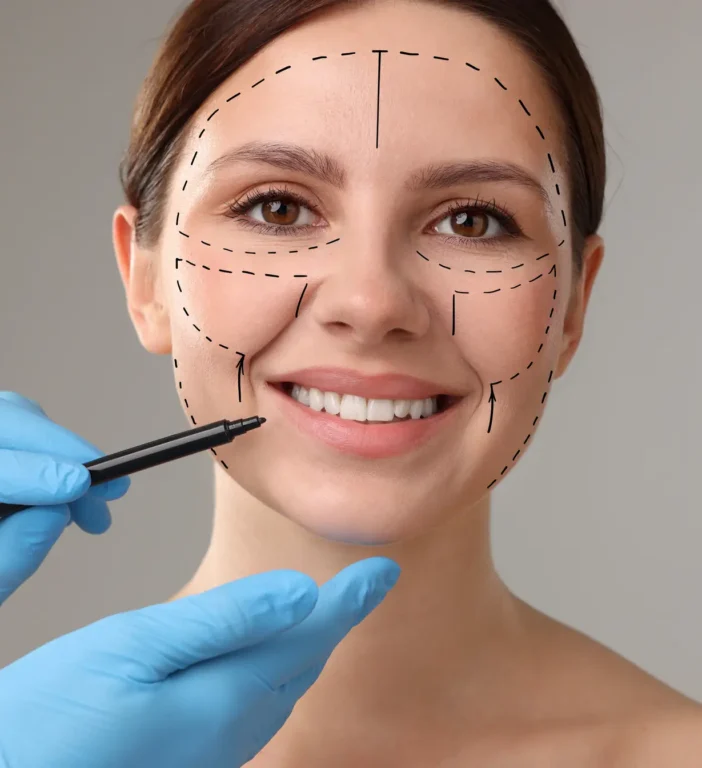
What is a deep plane facelift?
The face is built in layers: skin, fat, the SMAS (a thin sheet of muscle and fibrous tissue) and, deeper still, the retaining ligaments that anchor the soft tissues to the bone. With age, these ligaments and tissues slacken and the cheeks, jowls and neck descend.
In a classic SMAS facelift, the SMAS is tightened or folded on top of itself. In a deep plane facelift, the surgeon works underneath the SMAS and releases the key retaining ligaments of the cheek and jaw. Skin, fat and SMAS are then lifted together as one layer and fixed in a more youthful position. Because the tension is carried by the deep layer, the skin is redraped without being stretched.
Who is a good candidate?
Patients with sagging of the midface, jowls, a softened jawline or deep nasolabial folds are often good candidates. You should be in good general health, be a non-smoker or able to stop smoking before and after surgery, and have realistic expectations. Your consultation includes an assessment of your skin, facial structure and medical history.
Deep plane facelift vs. SMAS facelift
Both techniques lift the deep layer of the face rather than the skin alone. The deep plane technique goes one step further by releasing the retaining ligaments, which allows the midface and cheeks to move more freely. Which technique suits you depends on your anatomy and goals; Prof. Hamdi will explain the options during your consultation.
Combining with other procedures
A deep plane facelift is frequently combined with a neck lift, a browlift, eyelid surgery or facial lipofilling. Adding your own fat restores lost volume at the same time, which the clinic calls volumetric lifting.
Surgery and recovery
The incisions are placed in the natural creases in front of and behind the ear and within the hairline, so the scars are discreet once healed. The procedure is performed under anaesthesia in a hospital setting, and the duration depends on whether other procedures are combined.
Swelling and bruising are normal in the first weeks. Most patients return to social activities after around two to three weeks, while the final result settles over several months. Your surgeon gives you personal aftercare instructions and follows you up after surgery.
Recovery timeline
First days: rest with the head elevated; dressings are checked at follow-up. Weeks one to three: swelling and bruising settle progressively. After several months: the tissues soften and the final contour becomes visible. Avoid strenuous exercise until your surgeon allows it.
Risks and safety
As with any surgery, risks include bleeding, haematoma, infection, delayed wound healing, scarring, temporary numbness and, rarely, injury to a branch of the facial nerve. These risks, and how they are reduced, are discussed in detail before you decide to have surgery.
How long do the results last?
A facelift does not stop the ageing process, but because the deep layer is repositioned rather than only the skin, results of a deep plane facelift are generally long-lasting. Healthy habits, sun protection and not smoking help maintain the result.
Deep plane facelift: frequently asked questions
Short answers to the questions patients ask most often. Your consultation gives answers specific to you.
What is the difference between a deep plane facelift and a mini facelift?
A mini facelift treats a limited area, usually the lower face, through shorter incisions. A deep plane facelift releases the deep retaining ligaments and lifts the midface, jowls and jawline together, which makes it suitable for more advanced sagging.
Is a deep plane facelift painful?
Discomfort after surgery is usually moderate and is managed with pain medication. Tightness and swelling are more common than strong pain.
When can I go back to work?
Many patients return to work and social activities after about two to three weeks, depending on the extent of surgery and the nature of their work.
Can I combine a deep plane facelift with a neck lift?
Yes. Because the face and neck age together, a deep plane facelift is often combined with a neck lift, such as a platysma corset, for a continuous jawline and neck contour.
Where can I have a deep plane facelift in Brussels?
At OgeePlast Clinic, Lloyd Georgelaan 9, 1000 Brussels, with Prof. Dr. Moustapha Hamdi. Consultations are also available during his visits to Marbella and Dubai, or online by video.